

To support the rescue of stray cats on campus and to explore practical ways in which design can strengthen public good initiatives, SFD at Beijing Normal University launched the “Academy Cat Dream Catcher” commemorative cultural and creative design project. The project is inspired by three well-loved campus stray cats, Ruyi, XiaoDeng and Xiao Haimian. It brings real campus stories into the design process and, through the development of IP characters and cultural and creative products, connects with the shared emotional memories of staff and students, promotes the School’s cultural communication, and builds a sustainable cycle in which design drives public good.

Since the project began, it has progressed steadily through three main phases: research, design and implementation. Throughout, it has focused on integrating design thinking with public good action in a meaningful and close way. Guided by a “family-based” approach and highly recognizable character settings, the project team has personified the three cats as student figures, giving each a distinctive personality and clear visual identifiers, and creating a story-led “Academy Cat” IP.
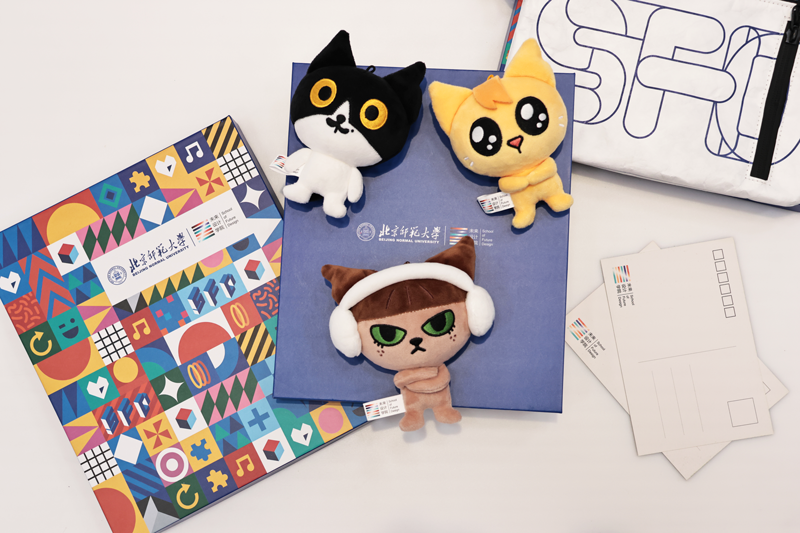
The “Academy Cat Dream Catcher” project will gradually expand from individual character design into a complete campus IP brand system. This will include visual guidelines, extended IP applications and IP operation, broadening the influence of “Academy Cat” as a campus cultural public good IP. In doing so, the Academy Cat will be more than simply “cute”; it will also carry richer cultural expression and a clear public good purpose.
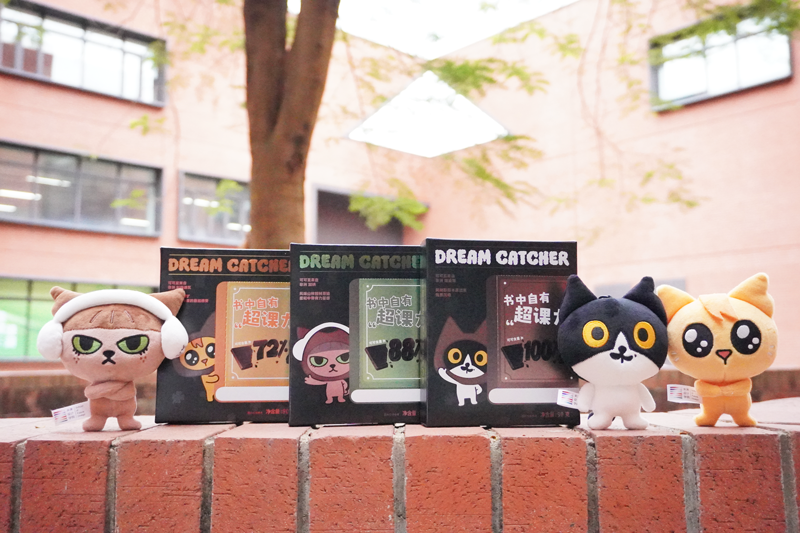
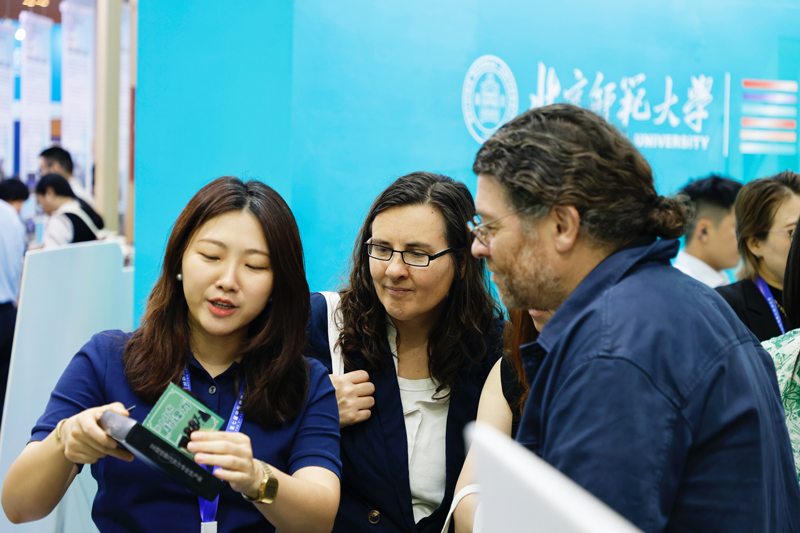
It is worth noting that, at the 7th China Education Innovation Achievements Public Welfare Expo, SFD worked with the Beijing Normal University Education Group and Zhuhai Xiangzhou Zhenmei Food Co., Ltd. to launch an “Academy Cat” themed chocolate gift box, which was widely praised by all sectors of society. This model of working with a local food company to turn creative ideas into a real product not only deepened the university–industry collaboration mechanism for talent development, but also injected fresh design energy into the growth of distinctive local industries. It stands as a vivid example of the School’s PBL teaching model and its approach to integrating education with industry.